
What Size Washer Do I Need? A Laundromat Machine Guide
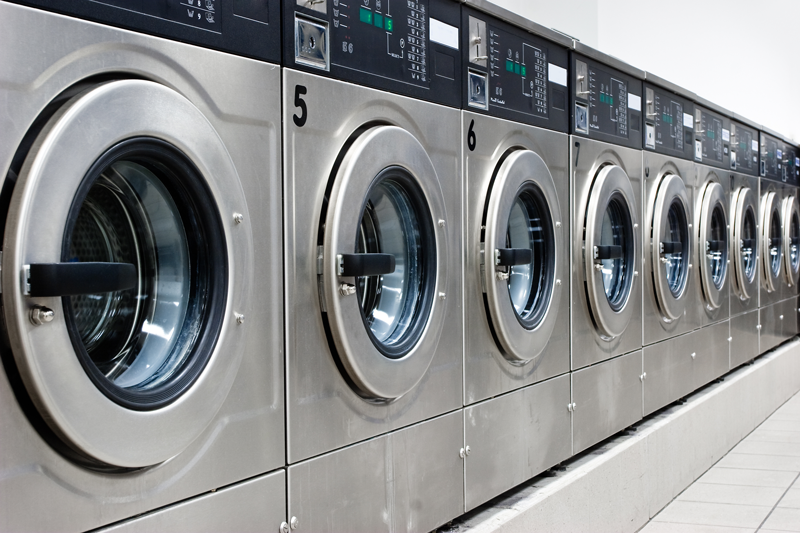
Stand in front of a row of laundromat washers and you'll see machines of all sizes—from compact top-loaders to massive front-load drums that look like they could wash a sleeping bag. Which one should you use?
Quick Answer
For most weekly laundry loads, use a large (4.0-4.5 cu ft) or extra-large (5.0-6.0 cu ft) washer. Fill the drum about three-quarters full for best cleaning. When in doubt, size up—an overstuffed small washer won't clean properly.
Choosing the right size washer saves money, improves cleaning, and gets you out faster.
Understanding Washer Capacity
Washing machine capacity is measured in cubic feet. Here's what that translates to in real terms:
| Washer Size | Capacity | What It Holds |
|---|---|---|
| Small | 2.0-2.5 cu ft | 1 outfit + extras, or a few towels |
| Medium | 3.0-3.5 cu ft | 3-4 days of clothes for one person |
| Large | 4.0-4.5 cu ft | 1 week of clothes for one person |
| Extra-Large | 5.0-6.0 cu ft | Large family load, bulky items |
| Commercial/Giant | 6.0+ cu ft | Comforters, blankets, sleeping bags |
How to Estimate Your Load
A simple way to judge: if your laundry basket at home is full, you need a large or extra-large washer. If you're bringing a garbage bag stuffed with clothes, use the biggest machine available.
Weight guidelines:
- Small washer: up to 8 lbs
- Medium washer: 8-12 lbs
- Large washer: 12-18 lbs
- Extra-large washer: 18-25 lbs
- Commercial washer: 25+ lbs
Don't have a scale? One pair of jeans weighs about 1.5 lbs, a bath towel is about 1.5 lbs, and a t-shirt is about 0.5 lbs.
Why Bigger Is Often Better
Here's what most people get wrong: they try to squeeze too much into a small machine to save money.
The problem: An overstuffed washer doesn't clean properly. Clothes can't agitate and move freely, so dirt and soap don't rinse out completely. You end up with laundry that still smells, has residue, or needs to be rewashed.
The solution: Size up. A single large washer at $5 cleans better than two small washers at $3 each—and takes half the time.
At The Wash House, we specifically stock the biggest washers because we know our customers have real laundry to do—not a single pair of socks.
When to Use Each Size
Small washers are best for:
- A few delicate items you want to wash separately
- Quick refreshes (a few shirts, underwear)
- Lightly soiled single items
Medium washers are best for:
- A few days' worth of clothes for one person
- Separating colors when you have mixed loads
- Regular maintenance loads when you do laundry frequently
Large washers are best for:
- Weekly laundry for one person
- Families doing combined loads
- Towels and sheets
Extra-large and commercial washers are best for:
- Comforters, duvets, and blankets
- Large families
- Catching up after travel or busy weeks
- Washing multiple people's laundry together
Special Considerations for Bulky Items
Blankets, comforters, and sleeping bags need more space than regular clothes—even if they don't weigh much. The drum needs room for water and soap to penetrate the filling.
Rule of thumb: If a bulky item fills more than half the drum when dry, use a bigger machine. A queen-size comforter should go in a commercial washer even though it might technically fit in a large one.
The Fill Rule
For optimal cleaning, fill the washer drum about three-quarters full. Clothes should have room to move but shouldn't be floating in empty space (that's wasted money).
Frequently Asked Questions
Can I wash different types of clothes together in a large washer?
Yes, as long as they're similar in color and don't require different temperatures. Most everyday laundry can be combined in a single large load.
Is it bad to use a washer that's too big for my load?
It's not ideal because you're paying for capacity you're not using. But it won't hurt your clothes. Using a washer that's too small is the bigger problem—clothes won't get clean.
What's the best machine for comforters and bedding?
Use the largest available washer—typically the commercial or extra-large size (6+ cubic feet). Bedding needs room to move freely during the wash cycle for proper cleaning.
How much laundry can a commercial washer hold?
Commercial washers (6+ cubic feet) can hold 25+ pounds of laundry. That's roughly 2-3 weeks of clothes for one person, or a week's worth for a family of four.
What happens if I overstuff a washing machine?
Overstuffed washers don't clean properly. Clothes can't agitate and move freely, so dirt and soap don't rinse out completely. You may end up with laundry that still smells or has residue.
How do I know what size washer to use for towels?
Towels are heavy when wet and need room to tumble. Use a large washer for 4-6 bath towels, or an extra-large washer for a family's full set of towels and washcloths.
Can I wash a king-size comforter at a laundromat?
Yes, use a commercial-size washer (6+ cubic feet). King-size comforters need the largest machines available. The drum needs room for water and soap to penetrate the filling.
We Have the Biggest Washers
Our commercial-size machines handle everything from jeans to king-size comforters.
Find a Location